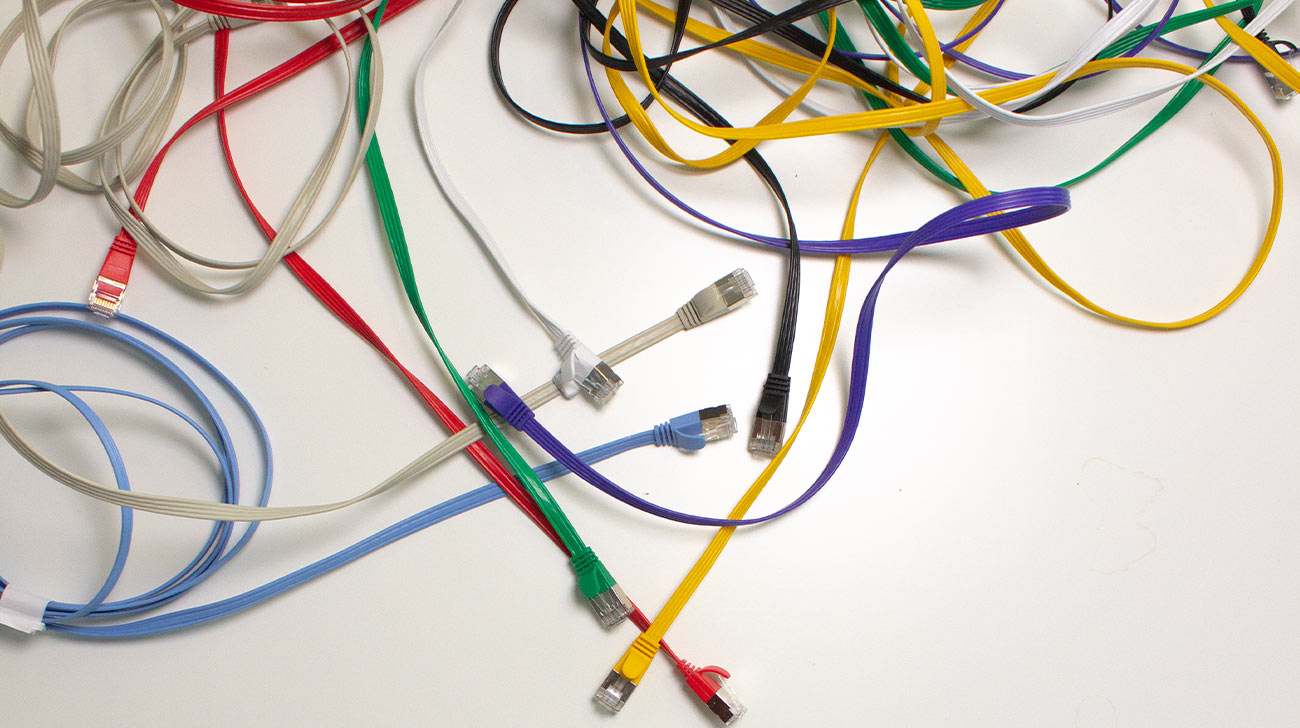
Are Your Cables Costing You More Than You Think? The Hidden Expenses of Tech Connections
When considering the overall costs associated with technology, many users focus on the price of the devices themselves, but cables often go unnoticed in budget assessments. You might be surprised to learn that the most frequently overlooked aspects of your tech setup may actually be your cables. Factors like energy inefficiency, maintenance, and even replacement costs can add up to create significant hidden expenses. For instance, using old or poorly designed cables can lead to higher power consumption, which ultimately translates to inflated energy bills. In addition, tangled or damaged cables might necessitate frequent replacements, pushing your costs even higher.
Moreover, cables that do not support the latest technology standards may not only disrupt your connectivity but can also affect the overall performance of your devices. This scenario can result in productivity losses, especially in business environments, where uptime and efficiency are crucial. Furthermore, consider the environmental impact of continuously replacing cables—this can not only burn a hole in your wallet but also lead to increased electronic waste. To mitigate these hidden expenses, invest in high-quality cables that are durable and future-proof, ensuring your tech connections are cost-effective in the long run.
Counter-Strike is a popular first-person shooter game that has dominated the gaming scene since its release. Players engage in intense team-based matches where they can choose to be part of the terrorist or counter-terrorist forces. For those who are keen on gaming accessories, check out the Top 10 iPhone charging cables to ensure your devices are powered up for those long gaming sessions.
10 Cable Myths Debunked: What You Really Need to Know About Your Tech
When it comes to understanding cables and their functionalities, many common misconceptions persist. One prevalent myth is that all HDMI cables are the same. In reality, there are different types of HDMI cables designed for various purposes, including standard, high speed, and those supporting 4K resolution. Using the appropriate cable can significantly affect your viewing experience, especially if you're utilizing advanced features such as HDR. Always check the specifications before making a purchase to ensure compatibility with your devices.
Another widely believed myth is that longer cables always result in poorer signal quality. While it's true that cable length can impact signal integrity, modern technology has greatly improved the performance of longer cables. For instance, active HDMI cables use built-in amplifiers to enhance signal quality over longer distances. Therefore, rather than worrying about cable length alone, focus on using high-quality cables from reputable brands to achieve optimal performance.
Connecting the Dots: How to Choose the Right Cables for Your Devices
Choosing the right cables for your devices is essential for optimal performance and connectivity. With a myriad of options available, it's important to understand the types of cables that correspond to your devices' needs. Begin by identifying the specific requirements of your devices, such as USB, HDMI, or Ethernet connections. For example, if you're connecting a computer to a monitor, you may need an HDMI cable, while a USB cable might be necessary for printers or external drives. Here are some factors to consider:
- Compatibility: Ensure the cable matches the ports on your devices.
- Length: Consider how far apart your devices are.
- Data transfer speed: Choose cables that support the required data rates.
Another critical aspect to keep in mind is the quality of the cables. High-quality cables can prevent data loss and ensure stable connections, while cheaper options may lead to interference and performance issues. Always look for cables that come with a warranty or have positive reviews concerning performance and durability. If you're unsure about which ones to choose, consult user guides or online resources that can help you make an informed choice. Remember, investing in the right cables not only enhances your device's functionality but can also save you time and money in the long run.