Are You Sitting Comfortably? The Hidden Risks of Poor Chair Design
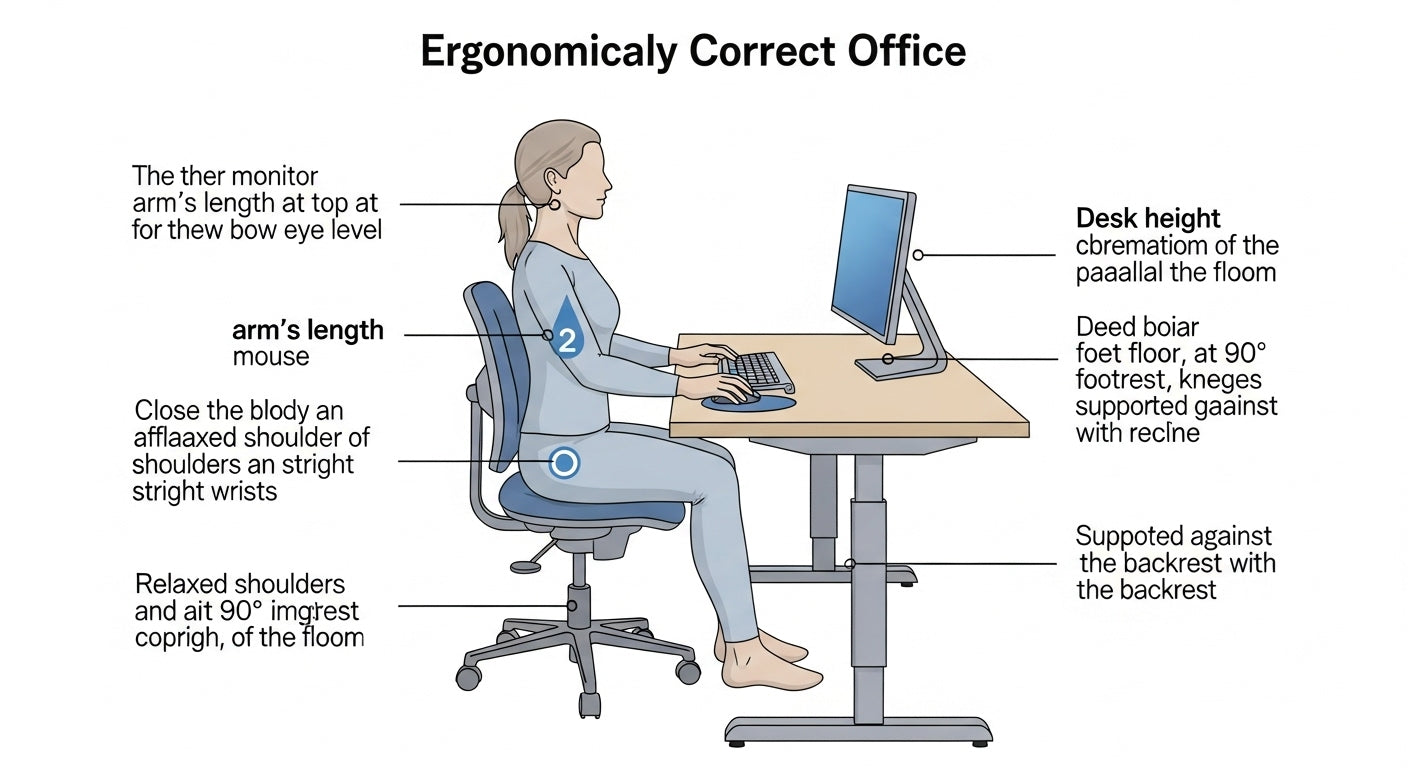
The design of your chair might seem like a trivial concern, but poor chair design can lead to serious health issues over time. Many individuals spend hours at a desk each day, making the chair a critical element of their workspace. If a chair lacks proper lumbar support, it can result in chronic back pain, poor posture, and even spinal issues. Additionally, a chair that is too high or too low can contribute to discomfort in the neck and shoulders, leading to a cascade of problems that affect overall well-being.
Moreover, the implications of poor chair design extend beyond physical discomfort. Inefficient seating can hinder productivity and focus. According to studies, employees who use ergonomically designed chairs report higher levels of satisfaction and efficiency at work. Therefore, investing in quality seating isn't just about comfort; it’s a crucial step towards enhancing work performance and maintaining long-term health. Remember, when it comes to your workspace, sitting comfortably is key to thriving in today’s demanding environments.
Counter-Strike is a highly popular first-person shooter game known for its team-based gameplay and strategic elements. Players can choose to either join the terrorist or counter-terrorist team while completing various objectives. For players who often game on the go, it's important to consider ergonomics, and you might be interested in checking out Top 10 Phone Accessories for Neck Pain to enhance your gaming experience.
The Science of Support: How Your Chair Might Be Undermining Your Health
The chair you choose can have a significant impact on your overall health and well-being. Many people underestimate the importance of ergonomic design, assuming that any seat will suffice for long hours of work or leisure. However, poor chair support can lead to a range of health issues, including chronic back pain, poor posture, and even increased risk of chronic diseases. Studies have shown that sitting in a poorly designed chair can place undue stress on the spine and pelvis, leading to discomfort and long-term complications.
To ensure your chair promotes health rather than undermines it, consider investing in a chair that provides adequate lumbar support, promotes proper posture, and allows for adjustability. Key features to look for include:
- Adjustable seat height – to keep your feet flat on the ground
- Supportive backrest – to cradle the natural curve of your spine
- Armrests – to reduce strain on your shoulders
Is Your Office Chair a Saboteur? Uncovering the Ergonomic Myths
In today’s fast-paced work environment, the importance of a comfortable office chair cannot be overstated. Many professionals believe that simply investing in a high-end chair will solve all their ergonomic woes. However, ergonomic myths abound, suggesting that any chair labeled as 'ergonomic' can automatically foster good posture and prevent discomfort. The reality is that each individual has unique body mechanics, and what works for one person may not necessarily work for another. Therefore, it's crucial to assess not just the chair itself, but also your workspace layout and the way you interact with your seating.
Furthermore, the belief that you can simply adjust your chair height and lumbar support to achieve perfect ergonomics is misleading. A well-designed chair is only part of the solution. Attention must also be paid to maintaining proper body alignment and taking regular breaks to move around. In fact, relying too much on your office chair can lead to physical issues over time. To truly optimize your workspace, consider a holistic approach that includes frequent stretching and a focus on your entire workstation setup. Only then can you truly uncover whether your office chair is a saboteur or a supportive ally in your productivity.