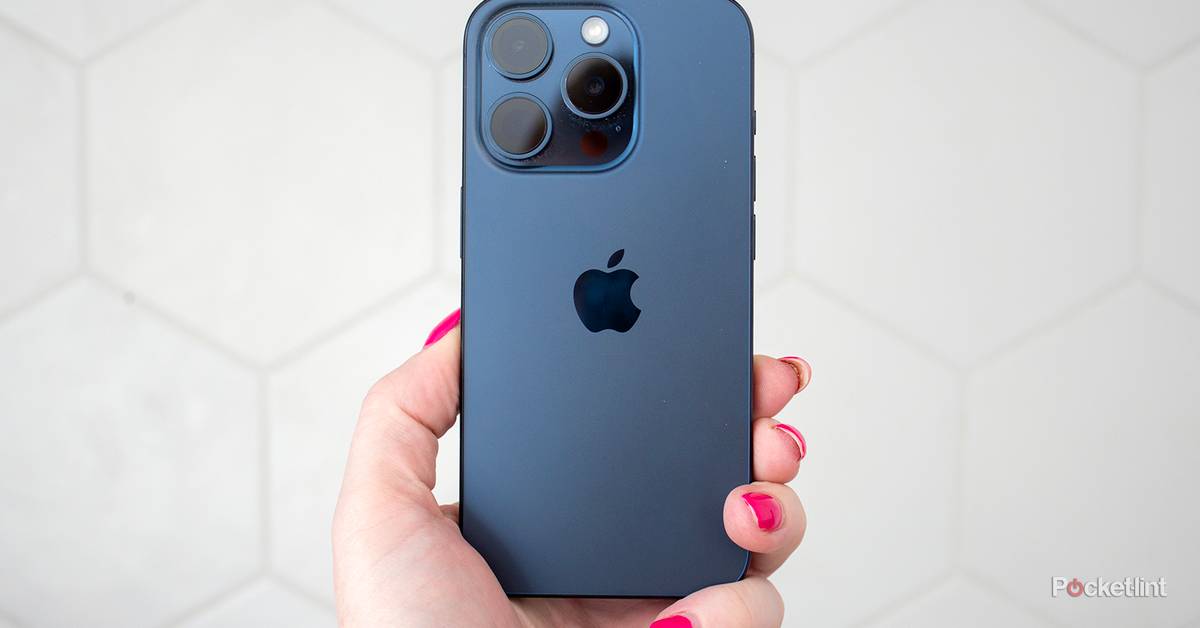
The iPhone Revolution: How Apple's Design Aesthetic Influenced Modern Technology
The iPhone revolution initiated by Apple has profoundly influenced the design and functionality of modern technology. Launched in 2007, the iPhone combined sleek aesthetics with user-friendly interfaces, setting a new standard for smartphones. Its minimalist design eliminated unnecessary buttons, favoring a large touchscreen that allowed users to interact with their devices intuitively. This approach not only showcased Apple's commitment to design excellence but also inspired countless manufacturers to reimagine their devices. The resulting shift towards more visually appealing technology highlights the importance of aesthetics in consumer electronics.
Moreover, Apple's emphasis on design aesthetics went beyond mere appearance; it reshaped how users engage with technology. The iPhone introduced features like the App Store, which transformed the way we access and utilize applications, leading to the proliferation of mobile apps across various domains. This innovation spurred a competitive landscape where usability and design became crucial differentiators. As other companies adopted similar strategies, the modern tech ecosystem evolved, characterized by seamless integration of aesthetic value and functionality, all thanks to the pioneering influence of the iPhone.
Counter-Strike is a highly competitive first-person shooter game that has captivated players since its release. Known for its team-based gameplay, it pits terrorists against counter-terrorists in various objective-based rounds. Players continuously seek ways to enhance their gaming experience, sometimes looking for Top 10 iPhone accessories under 100 to improve their device capabilities.
From Communication to Culture: The iPhone's Role in Shaping Social Trends
The iPhone has transcended its role as merely a communication device; it has emerged as a catalyst for cultural change. From its launch in 2007, the iPhone introduced a new era of connectivity that reshaped how we interact and communicate. With features like instant messaging, social media integration, and a vast array of applications, the iPhone facilitated real-time interaction, breaking down geographical barriers and enabling global conversations. This shift not only influenced personal relationships but also impacted business environments, fostering a culture of immediacy and responsiveness that reshaped traditional communication norms.
Furthermore, the iPhone played a crucial role in shaping social trends, notably through its influence on self-expression and community engagement. The rise of platforms like Instagram and TikTok was significantly accelerated by the iPhone's superior camera capabilities and user-friendly interface. As users began sharing their lives through photos and videos, new cultural phenomena emerged, including the rise of influencers and the emphasis on digital aesthetics. This evolution illustrates how technology can shape societal values, highlighting the iPhone's undeniable impact on the collective consciousness and cultural identity of our time.
Is the iPhone the Ultimate Status Symbol? Exploring Its Impact on Consumer Culture
The iPhone has long been heralded as a prominent status symbol in contemporary consumer culture. Its sleek design, cutting-edge technology, and premium price point have positioned it as more than just a smartphone; it’s a statement of lifestyle and affluence. Many consumers perceive owning an iPhone as an indicator of social status, which can create significant demand among individuals eager to convey their success and modernity. This phenomenon has led to a culture where owning the latest model is often seen as necessary to fit in with peers, resulting in an insatiable desire for the next release.
Moreover, the influence of the iPhone extends beyond individual ownership. It has transformed brand loyalty, with many users becoming emotionally attached to Apple as a brand, further cementing its status in consumer culture. According to a study, approximately 70% of iPhone users claimed they would not switch to another brand, underscoring the strength of Apple's market presence. As social media platforms amplify this status symbol effect, the iPhone continues to shape consumer behavior, driving trends in technology and influencing purchasing patterns across demographics.