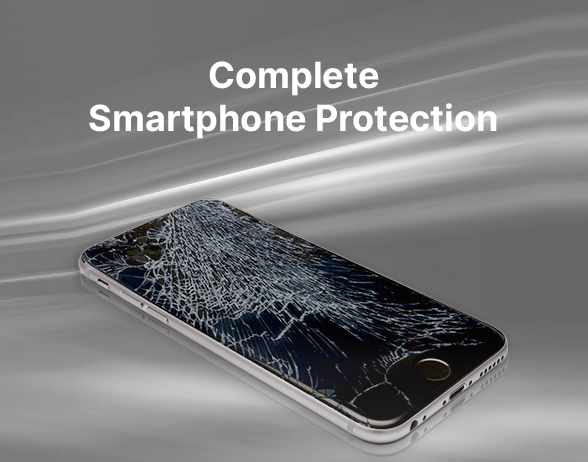
Top 5 Materials for Phone Cases: Which One Offers the Best Protection?
When it comes to choosing a phone case, the material used is crucial for ensuring maximum protection against drops and impacts. The top five materials widely recognized for their protective qualities include silicone, polycarbonate, TPU (thermoplastic polyurethane), leather, and metal. Each material offers unique benefits, making it essential to assess which one resonates with your lifestyle. For instance, silicone cases provide a soft touch and good shock absorption, while polycarbonate cases are known for their rigidity and durability, perfect for those who lead an active life.
In evaluating these materials, durability and style should also play a role. While leather cases exude sophistication and a premium feel, they may not offer the same level of shock resistance as TPU or polycarbonate. On the other hand, metal cases can provide exceptional protection but often at the cost of added weight. Therefore, it’s important to consider what balance of protection, style, and functionality you need. Ultimately, the best material for you will depend on your specific needs and how you use your phone.
Counter-Strike is a tactical first-person shooter that has captivated millions of players around the world. The game focuses on team-based gameplay where players can choose to be either terrorists or counter-terrorists. One of the essential aspects of succeeding in Counter-Strike is having the right gear and setup. For those who want to stay stylish while gaming, check out the Top 10 iphone slim cases for your devices.
How to Choose the Right Screen Protector for Your Device
When selecting the right screen protector for your device, consider the type of protection you need. There are several types available, including plastic film, tempered glass, and liquid screen protectors. Plastic film is lightweight and can often be self-adhesive, making it easy to apply but provides minimal protection against impacts. On the other hand, tempered glass offers superior durability and is resistant to scratches and drops, making it an excellent choice for users looking for strong protection. Lastly, liquid screen protectors bond directly to the device's screen and provide a thin layer of protection against minor scratches and smudges.
Once you've determined the type of screen protector you need, consider the size and compatibility with your device. Ensure the protector is specifically designed for your device model, as misfits can lead to peeling or bubbling. Additionally, read customer reviews to gauge the effectiveness and durability of the protector you are considering. Pay attention to features such as anti-glare and anti-fingerprint coatings, which can enhance your device's usability. By taking these factors into account, you can select the ideal screen protector that keeps your device safe while ensuring optimal performance.
Is Your Phone Case Doing Enough? Common Myths About Phone Protection
When it comes to protecting your smartphone, many people rely heavily on their phone cases without fully understanding their limitations. One of the most common myths is that any case will offer adequate protection against drops and impacts. In reality, the level of protection can vary significantly between different types of cases. For example, slim cases may look stylish, but they often lack the shock-absorbing features necessary to truly safeguard your device. On the other hand, rugged cases might add bulk, but they are designed for maximum protection in high-risk environments. Understanding the specific protective features of your phone case is essential to ensure that it's really doing its job.
Another prevalent myth is that a screen protector adds negligible value when used in conjunction with a case. While a case can certainly protect your phone from drops, it does not always prevent scratches and cracks on the screen. Many users assume that their thick phone case makes a screen protector redundant, but this could not be further from the truth. According to studies, the most vulnerable part of your smartphone is its screen, which is prone to cracks and scratches regardless of casing. By pairing a high-quality case with a reliable screen protector, you can significantly enhance your phone's overall protection, allowing you to enjoy peace of mind.