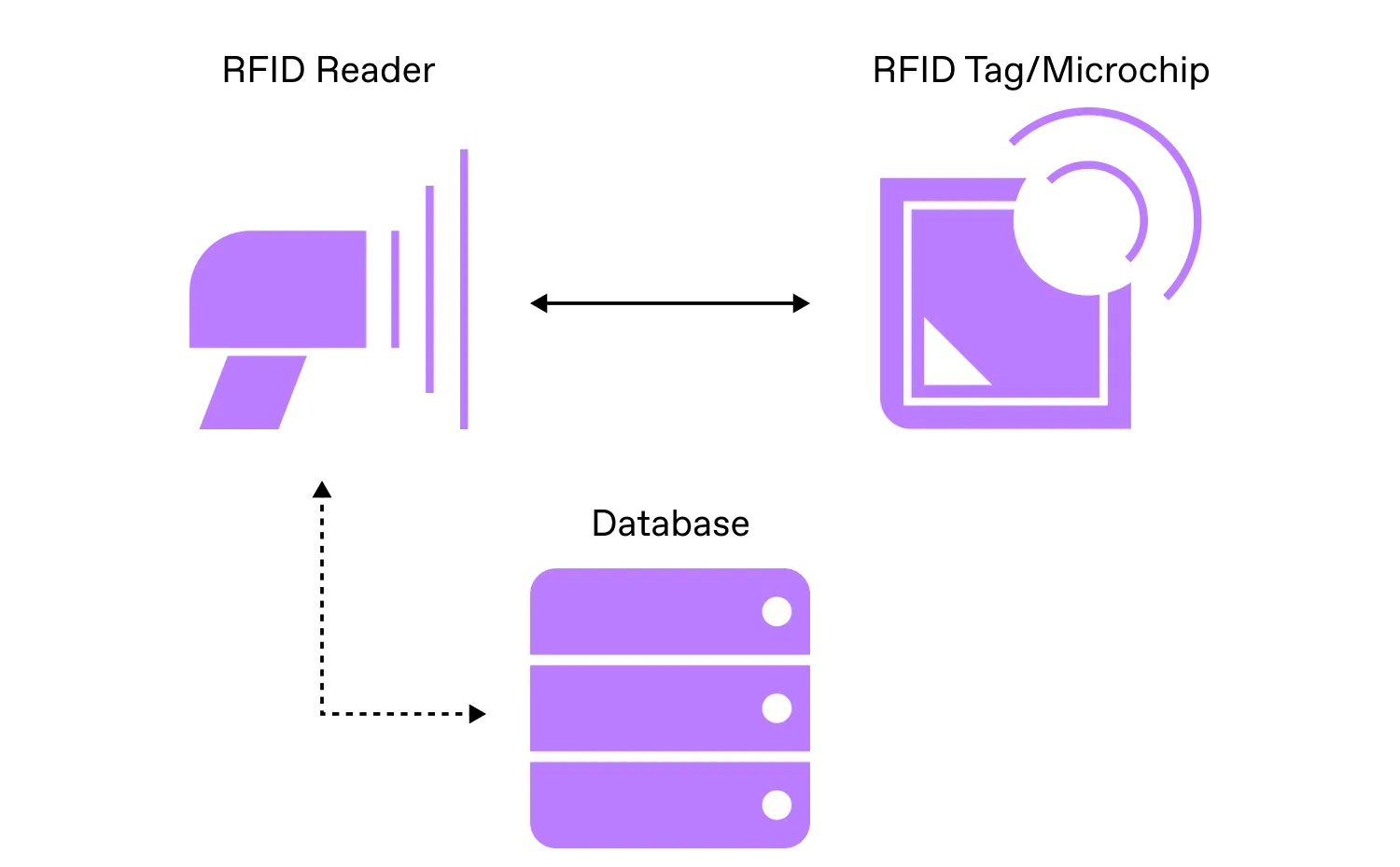
Understanding RFID Technology: How It's Shaping the Future of Industries
RFID (Radio Frequency Identification) technology has revolutionized various industries by enabling automatic identification and tracking of objects. This technology employs electromagnetic fields to transfer data between a tag attached to an object and a reader, creating a seamless flow of information. Today, industries such as retail, healthcare, and logistics leverage RFID systems to improve efficiency and accuracy. For instance, in retail, RFID tags allow for real-time inventory management, reducing stock discrepancies and enhancing customer satisfaction. As we look to the future, the integration of RFID with emerging technologies like IoT (Internet of Things) is poised to further transform supply chains and operational processes.
Moreover, the impact of RFID technology extends beyond operational benefits; it also contributes to enhanced data analytics capabilities. By collecting vast amounts of real-time data, businesses can gain deeper insights into consumer behavior and inventory turnover. A great example is in the healthcare sector, where RFID aids in patient tracking, asset management, and medication administration. As industries continue to adopt RFID, we can anticipate innovations such as smart cities and autonomous vehicles, where RFID plays a crucial role in communication and data exchange. The future of industries, influenced by RFID technology, promises a shift towards heightened efficiency and a data-driven approach to decision-making.
Counter-Strike is a highly popular multiplayer first-person shooter game that has captivated gamers since its early days. Players can choose to be part of either the terrorist or counter-terrorist teams, working together to complete objectives. The game's competitive nature has led to a thriving esports scene, with many professional tournaments held worldwide. Additionally, if you're looking for practical accessories for your daily needs, check out the Top 10 airtag wallets, which offer stylish solutions for tracking your belongings.
The Impact of RFID on Supply Chain Efficiency: A Game Changer
The role of RFID (Radio Frequency Identification) technology in modern supply chain management cannot be overstated. By enabling real-time tracking and inventory management, RFID effectively reduces operational inefficiencies and minimizes errors. Companies leveraging RFID can experience significant improvements in their supply chain operations, including:
- Enhanced visibility: RFID allows businesses to monitor the movement of goods from suppliers to customers seamlessly.
- Improved accuracy: Automated data collection reduces human error associated with manual entry.
- Faster processing times: Items can be scanned quickly without direct line of sight, speeding up the overall supply chain.
As organizations strive for competitive advantage, adopting RFID technology has become essential. Its impact extends beyond just individual operations; it transforms the entire supply chain ecosystem by fostering better collaboration among partners. For instance, businesses using RFID can share inventory data with vendors and logistics providers, leading to more informed decision-making. To illustrate the transformational nature of RFID:
“A study revealed that companies implementing RFID witnessed a 30% reduction in inventory costs and a 20% increase in order accuracy.”
Ultimately, the integration of RFID technology stands as a game changer, driving efficiency and enhancing the resilience of supply chains.
What are the Key Benefits of Implementing RFID in Your Business?
Radio Frequency Identification (RFID) technology has revolutionized the way businesses manage inventory and assets. One of the key benefits of implementing RFID in your business is its ability to enhance inventory accuracy. With traditional barcode systems, manual scanning can lead to errors and inconsistencies. However, RFID tags can be read automatically and from a distance, significantly reducing the chances of human error and ensuring that inventory levels are accurately tracked in real-time. This increased precision helps in optimizing stock levels, reducing excess inventory, and minimizing stockouts.
Another significant advantage of RFID implementation is the improved operational efficiency it brings to various business processes. By automating inventory management, businesses can save on labor costs and allocate resources more effectively. For instance, RFID can streamline the supply chain by providing precise location data and tracking items throughout the entire logistics process. As a result, companies can enhance overall productivity, reduce operational delays, and improve customer satisfaction by ensuring timely deliveries. In summary, adopting RFID technology not only simplifies inventory management but also empowers businesses to focus on growth and innovation.