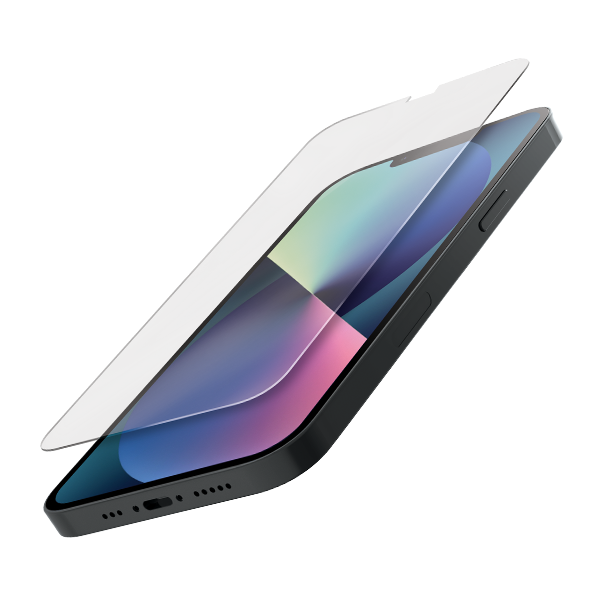
How to Choose the Right Screen Protector for Your Device
Choosing the right screen protector for your device is essential to ensure maximum protection against scratches, drops, and daily wear and tear. When selecting a screen protector, consider the type of material. The most common options are tempered glass and plastic film. Tempered glass protectors offer superior durability and often feel more like the original screen, while plastic film protectors are lighter and may be more cost-effective. Additionally, you should evaluate the fit of the protector; some are designed specifically for certain models, ensuring complete coverage without interfering with the device's functionality.
Another key factor to consider is the level of clarity and touch sensitivity. Many protectors are designed with high-definition clarity to ensure that your display remains vibrant, with minimal impact on color accuracy or visibility. Look for options that have anti-glare features if you use your device frequently in bright environments. Don't forget to check user reviews and ratings, as they can provide valuable insights. Remember, the right choice of screen protector can significantly enhance your device's longevity and overall user experience, making it a worthy investment.
Counter-Strike is a popular team-based first-person shooter game that has captivated millions of players worldwide. Known for its competitive gameplay, it revolves around two teams, terrorists and counter-terrorists, who compete to complete objectives or eliminate each other. If you're looking to enhance your gaming experience, check out the Top 10 Samsung Galaxy Accessories, perfect for mobile gamers looking to optimize their setup.
Do Screen Protectors Really Work? The Science Behind Phone Protection
When it comes to smartphone maintenance, one of the most debated topics is whether screen protectors truly deliver on their promise of protecting your device. The science behind phone protection reveals that these accessories can significantly minimize damage caused by scratches, impacts, and drops. Screen protectors, typically made from materials like tempered glass or plastic film, serve as a first line of defense for your phone's display. In fact, studies have shown that devices with screen protectors suffer fewer cosmetic damages and can maintain resale value better than those without.
Understanding the mechanics of screen protectors is crucial for assessing their effectiveness. For instance, tempered glass screen protectors are designed to absorb impact force and distribute it across the surface, thereby reducing the likelihood of cracks on the actual screen. Moreover, many screen protectors feature added benefits such as anti-glare and fingerprint resistance, enhancing the user experience. Thus, while no protective measure is infallible, having a screen protector can undoubtedly offer peace of mind and extend the life of your smartphone.
Tips for Installing Your Screen Protector Without Bubbles
Installing a screen protector can be a daunting task, especially when you're trying to avoid those pesky bubbles. To start, ensure that your hands and the surface of your device are clean. Dust and fingerprints can lead to imperfections beneath the screen protector. Consider using a microfiber cloth to wipe the screen thoroughly, and a lint roller or tape to pick up any remaining debris. Once your screen is spotless, you can proceed with the installation. Begin by aligning the screen protector with the edges of your device for a precise fit before gently laying it down from one side to another.
Next, as you apply the screen protector, use a credit card or a similar flat object to smooth out any potential bubbles as you go. Start from the center and push outward towards the edges to eliminate trapped air. If you do notice a bubble that forms, don’t panic! You can often gently lift the edge of the protector and reapply it while smoothing out the bubble with your card. For best results, ensure that you install your screen protector in a dust-free environment, avoiding windy areas or high traffic rooms where dust particles are likely to disturb the process.