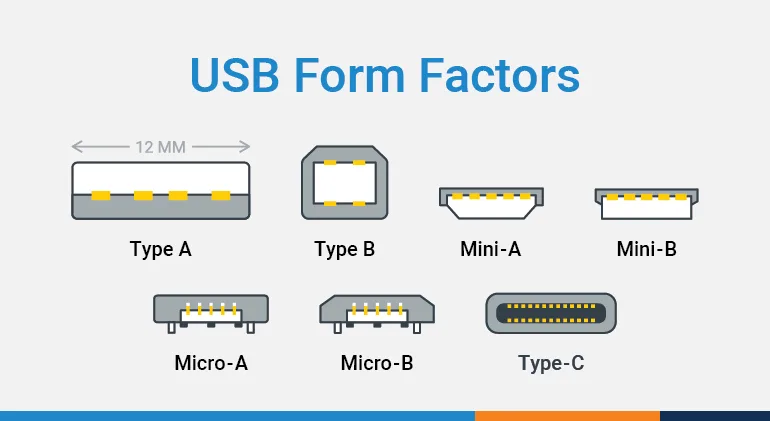
Understanding the USB-C Standard: Benefits and Compatibility
The USB-C standard has revolutionized the way we connect and charge our devices. One of its primary benefits is the universal compatibility it offers across a wide range of devices. From smartphones and tablets to laptops and peripherals, USB-C connectors are becoming the standard across the industry. This means that users no longer need to carry multiple chargers and cables for different devices, simplifying their tech lives and reducing cable clutter. Additionally, USB-C supports significantly faster data transfer speeds and charging capabilities compared to its predecessors, making it an appealing choice for both consumers and manufacturers.
Furthermore, the compatibility of USB-C is continuously expanding as more devices adopt this standard. Notably, USB-C is not a single standard but includes various protocols such as USB 3.1, Thunderbolt 3, and DisplayPort. This allows users to enjoy enhanced features like dual-video output and higher power delivery, making USB-C a versatile option for numerous applications. In summary, understanding the USB-C standard is crucial for anyone looking to future-proof their device ecosystem while enjoying seamless functionality across various platforms.
Counter-Strike is a highly popular team-based first-person shooter that has become a mainstay in competitive gaming. Players can choose to play as terrorists or counter-terrorists, engaging in various objective-based game modes. For gamers looking to enhance their experience, check out the Top 10 macbook air accessories to optimize their gameplay.
The Rise of USB-C: How It's Changing Device Connectivity
The rise of USB-C has marked a significant turning point in device connectivity, offering a single, universal solution that simplifies the way we connect our devices. Unlike its predecessors, USB-C allows for reversible connections, meaning users no longer have to worry about the orientation of their plugs. This innovation has been widely adopted by a variety of devices, including smartphones, laptops, and tablets. As a result, consumers can benefit from a streamlined experience when it comes to charging and data transfer. In fact, many manufacturers are phasing out older USB standards in favor of this versatile port.
Furthermore, the impact of USB-C extends beyond mere convenience. It provides faster charging capabilities and increased data transfer speeds compared to previous USB versions. For instance, USB-C can support power delivery up to 100 watts, making it suitable for charging larger devices like laptops efficiently. Moreover, its growing support for various applications—such as video output through Thunderbolt 3—highlights its ability to replace multiple cables and connectors with one unified solution. As the adoption of USB-C continues to rise, it is poised to become the standard for connectivity in the coming years, significantly enhancing user experience.
Is USB-C the Future of Charging? Myths and Realities
The emergence of USB-C as a universal charging standard has sparked considerable interest and debate regarding its role in the future of charging. Many consumers are excited about the convenience of a single connector for multiple devices, ranging from smartphones to laptops. However, several myths surround this transition. For instance, some believe that all USB-C ports are created equal, but in reality, USB-C encompasses various specifications and power delivery capabilities. Misunderstanding these differences can lead to suboptimal charging experiences, such as slower charging speeds and compatibility issues.
In contrast to these myths, the reality is that USB-C is steadily becoming the go-to choice for charging across devices. Major tech companies are investing in this technology, making it a cornerstone of the next generation of electronics. Beyond just charging speed, USB-C supports data transfer, video output, and power delivery, enhancing its appeal and versatility. As manufacturers continue to adopt this standard, we can anticipate a world where USB-C is not just a trend but a fundamental aspect of our daily technology usage, simplifying the way we connect and power our devices.