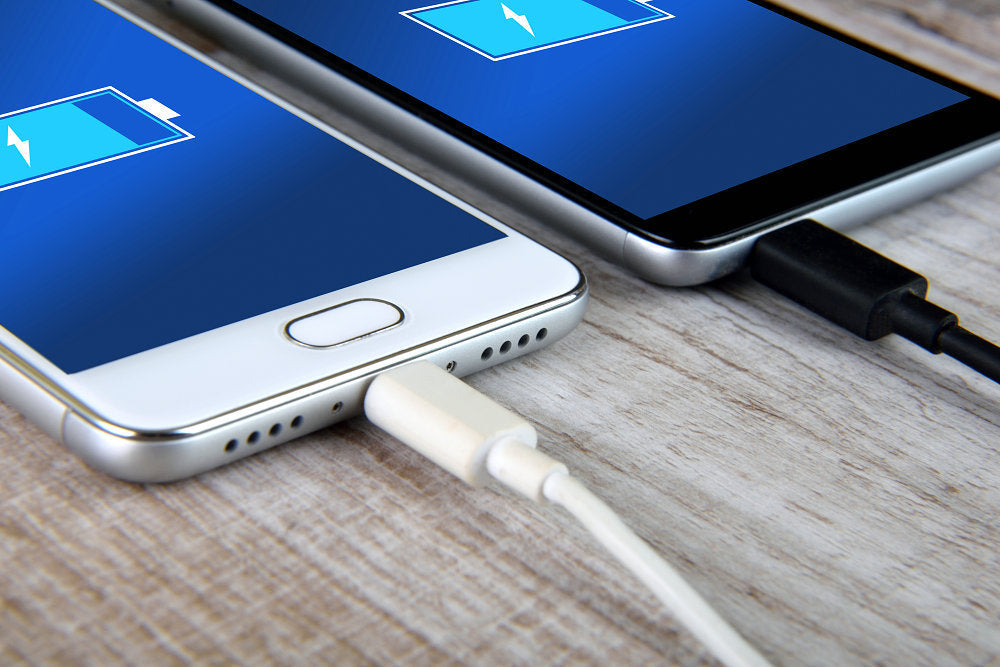
Revolutionizing Renewable Energy: The Innovations Powering Tomorrow
The landscape of renewable energy is undergoing a transformative shift, driven by groundbreaking innovations that promise to reshape how we harness power. As the world increasingly turns to sustainability, advancements such as solar panel efficiency improvements and the development of next-generation wind turbines are at the forefront. Notably, companies are now leveraging artificial intelligence to optimize energy generation, using algorithms that predict energy output based on weather patterns and demand fluctuations. This combined effort not only enhances productivity but also reduces overall costs, making renewable energy more accessible than ever.
Moreover, the integration of energy storage solutions is revolutionizing the industry, allowing for a stable supply of energy even during unpredictable weather conditions. Technologies such as lithium-ion batteries and emerging alternatives like solid-state batteries are critical for achieving long-term sustainability. These innovations enable us to store excess energy generated during peak production times, ensuring a continuous supply during periods of high demand. As we move towards a greener future, these advancements stand as a testament to human ingenuity and the collective commitment to harnessing the power of renewable energy.
Counter-Strike is a highly popular first-person shooter game known for its competitive gameplay and strategic team-based mechanics. Players can choose to join either the terrorist or counter-terrorist team, each with unique objectives. For gamers seeking reliable power sources for their devices, check out the Top 10 magsafe power banks, which provide efficient charging options during intense gaming sessions.
Five Game-Changing Technologies Set to Transform Energy Consumption
As the world continues to grapple with the effects of climate change and the demand for sustainable energy solutions increases, several innovative technologies are emerging that promise to revolutionize energy consumption. One of the most promising developments is smart grid technology, which optimizes the distribution of electricity by using real-time data. This technology allows for more efficient use of resources and can significantly reduce energy waste. Additionally, advancements in renewable energy sources, such as solar panels and wind turbines, have made it possible to harness natural energy more effectively than ever before.
Another significant player in the future of energy consumption is energy storage systems, particularly lithium-ion batteries that can store excess energy generated from renewable sources. These systems make it feasible to supply power even when production is low, thus stabilizing the grid. Furthermore, the rise of Internet of Things (IoT) devices enables homeowners and businesses to monitor and control their energy usage in real-time, leading to more efficient consumption patterns. As these technologies continue to develop and gain traction, they will undoubtedly reshape our approach to energy management and sustainability.
How Smart Grids are Reshaping the Future of Electricity Distribution
Smart grids represent a transformative approach to electricity distribution, integrating digital technology into the traditional power grid. With the capability to monitor and control electricity flows in real time, these advanced systems significantly enhance energy efficiency and reliability. The benefits of smart grids extend beyond mere efficiency; they also empower consumers by providing them with real-time data on their energy usage, enabling informed decisions that can lead to reduced energy costs. Additionally, they facilitate the integration of renewable energy sources such as solar and wind power, creating a more resilient and sustainable energy landscape.
The implementation of smart grids is paving the way for a more secure and flexible energy infrastructure. As more homes and businesses adopt smart technologies, the demand for a decentralized energy system grows. Smart grids help manage this transition by utilizing advanced analytics and automated systems to balance supply and demand. This proactive management not only minimizes outages but also enhances the security of the grid against potential cyber threats. In conclusion, the future of electricity distribution is clearly leaning towards smarter, more interconnected systems that foster innovation and sustainability.