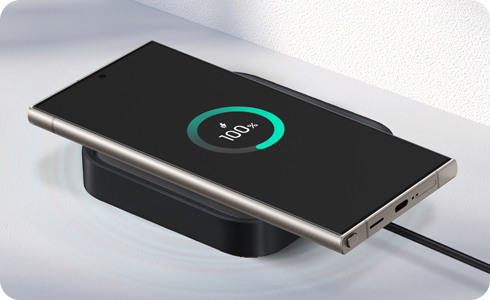
10 Common Charging Myths Debunked: What Every Device Owner Should Know
In today's tech-savvy world, many device owners are often misled by prevalent myths surrounding charging practices. Understanding the truth behind these myths is crucial for optimizing your device's battery life and performance. For instance, one common misconception is that leaving your device plugged in overnight will ruin the battery. In reality, most modern devices come equipped with smart charging technology that prevents overcharging, ensuring that your device only draws power when necessary. This means you can charge your device overnight without worrying about damaging its battery.
Another myth that has become widespread is that using a non-branded charger can be harmful to your device. While it's true that using low-quality chargers can lead to issues, many third-party chargers are perfectly safe, provided they meet safety standards. To make informed decisions about chargers, always look for reputable brands and read reviews. To summarize, here are 10 common charging myths debunked:
- Leaving your device plugged in overnight will ruin the battery.
- Non-branded chargers are always harmful.
- Charging your phone in extreme temperatures is safe.
- Charging your phone while using it is problematic.
- Draining the battery to 0% will damage it.
- It’s better to use airplane mode while charging.
- Fast charging damages your battery.
- You should wait until your battery is low to charge.
- You can use your phone while it’s charging.
- You need to fully charge new batteries before first use.
Counter-Strike is a popular first-person shooter game that has captivated millions of players worldwide. It emphasizes teamwork and strategy, as players assume the roles of either terrorists or counter-terrorists. For those looking to equip themselves with the latest gaming gear, check out our list of the Top 10 charging stations to ensure you stay powered up during intense gaming sessions.
The Ultimate Guide to Fast Charging: Tips and Tricks You Never Knew You Needed
Fast charging has transformed the way we power our devices, allowing us to get back to using them in a fraction of the time it used to take. To maximize your fast charging experience, it's essential to use the right equipment. First, ensure you are using a compatible charger and cable; check for the fast charging symbol on your accessories. Additionally, avoid using your device while charging, as this can significantly slow down the process. For the best results, keep your phone or tablet in battery-saving mode while it's plugged in, which can help prioritize charging speeds.
Moreover, your device's battery health plays a crucial role in how efficient fast charging can be. Regularly monitor your battery settings to avoid issues, and consider following these tips:
- Unplug the charger once the battery reaches about 80% to help prolong its lifespan.
- Avoid exposing your device to extreme temperatures while charging.
- Turn off background applications that draw power while charging.
Why Is My Device Not Charging? Troubleshooting Common Issues and Solutions
If your device is not charging, it can be frustrating and inconvenient. There are several common issues you can troubleshoot to identify the problem. First, check your charging cable and adapter for any visible damage, such as fraying or bent connectors. If the cable appears to be in good condition, try using a different wall outlet or USB port to determine if the issue lies with the power source. Additionally, inspect your device's charging port for dust or debris that may be preventing a proper connection.
If these basic checks do not resolve the issue, it may be worth exploring more advanced troubleshooting steps. Restart your device, as software glitches can sometimes interfere with charging functionality. If your device has a removable battery, consider taking it out and reinserting it after a few seconds. Finally, if your device still fails to charge, you might be dealing with a faulty battery or hardware issue, which may necessitate professional repair services. Always consult your device's user manual for specific troubleshooting tips and recommendations.