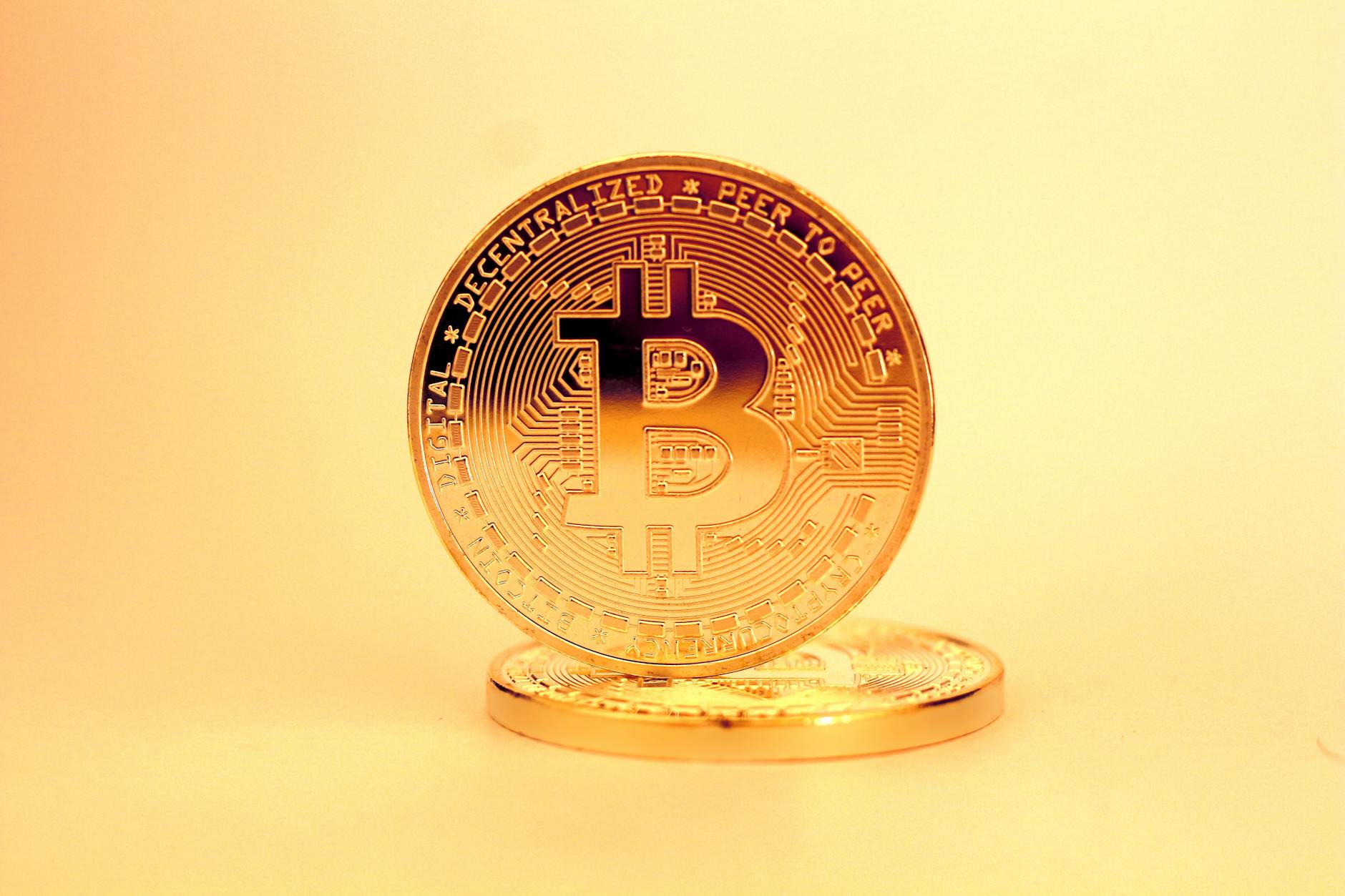
## Navigating the Decentralized Shift: Your Guide to Web3 Gambling & What to Expect by 2026
The landscape of online gambling is undergoing a profound transformation, spearheaded by the rise of Web3 technologies. This shift isn't merely about new platforms; it's a fundamental reimagining of how games are played, regulated, and how players interact with their funds. By 2026, we anticipate a significant acceleration in the adoption of decentralized autonomous organizations (DAOs) governing gambling protocols, offering unparalleled transparency and community-driven decision-making. Furthermore, the integration of non-fungible tokens (NFTs) will revolutionize in-game assets, allowing for true ownership and verifiable scarcity, moving beyond the traditional centralized model where platforms control everything. Prepare for a future where provably fair algorithms are the norm, not the exception.
Navigating this decentralized frontier requires a new understanding of key concepts. Expect to see a proliferation of DeFi (Decentralized Finance) integration, enabling innovative staking mechanisms, liquidity pools, and yield farming opportunities directly within gambling ecosystems. This will empower players to not only participate in games but also to earn passive income from their digital assets. Security will be paramount, with a strong emphasis on smart contract audits and robust encryption protocols to protect user funds and ensure fair play. As we approach 2026, the lines between traditional finance, gaming, and investment will blur, creating a dynamic and potentially lucrative environment for those willing to embrace the decentralized shift.
The future of gambling is open, transparent, and user-centric.
Decentralized betting offers a revolutionary approach to wagering, leveraging blockchain technology to ensure transparency and fairness. Unlike traditional bookmakers, these platforms operate without a central authority, allowing for peer-to-peer betting and often lower fees. If you're interested in exploring the world of decentralized betting, you'll find that smart contracts automate payouts and enforce rules, removing the need for intermediaries and reducing the risk of fraud.
## From Crypto Casinos to Provably Fair Play: Practical Steps & Common Questions for Your Decentralized Gambling Journey
Embarking on the journey into decentralized gambling, particularly with the allure of crypto casinos, necessitates a clear understanding of the transition from traditional platforms to provably fair systems. This shift isn't merely about using cryptocurrency; it's about embracing a new paradigm of transparency and trust. You'll need to familiarize yourself with concepts like cryptographic hashes and seed generation, which are the bedrock of provably fair algorithms. Practical steps often involve choosing a reputable decentralized platform, setting up a secure crypto wallet (e.g., MetaMask), and understanding the specific coin or token used for betting. Consider starting with smaller stakes to gain experience with the platform's interface and the mechanics of provably fair verification before committing larger sums.
As you navigate this exciting landscape, several common questions frequently arise. For instance, "How do I verify a game's fairness?" is paramount. Most provably fair casinos provide tools and instructions for players to independently verify game outcomes using their own seeds and the server's generated hash. Another common query is regarding the anonymity and security of your funds. While transactions are pseudonymous on the blockchain, choosing platforms with strong security protocols and two-factor authentication is crucial. Furthermore, understanding withdrawal limits, transaction fees, and the specific regulatory environment of your location are vital considerations for a smooth and enjoyable decentralized gambling experience. Always prioritize platforms that offer clear documentation and responsive customer support to address any concerns.