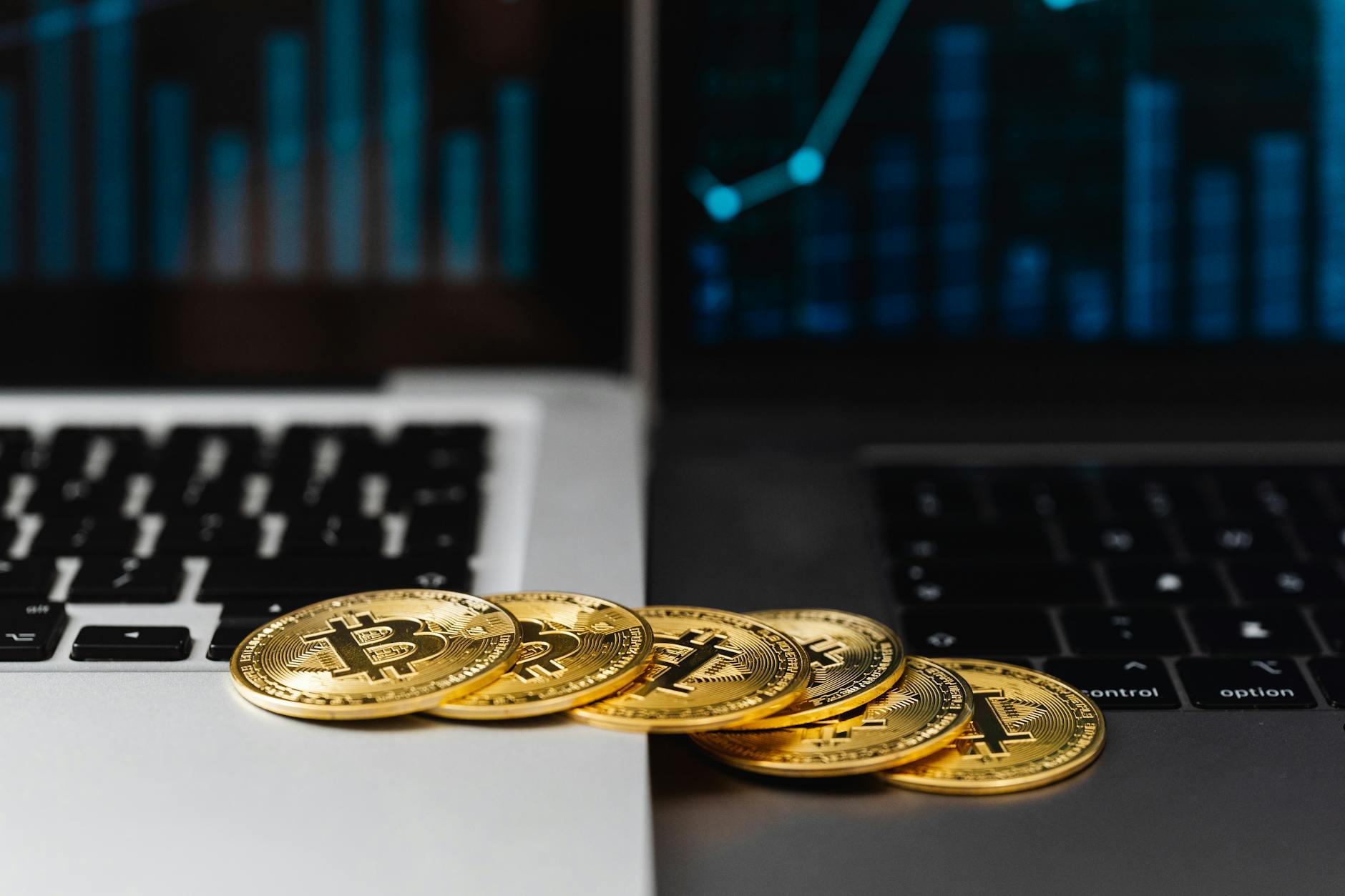
Cracking the Code: What Even *Is* a Digital Wallet & How Do I Get One?
Forget the bulky leather rectangles of yesteryear; a digital wallet is essentially a virtual container for your payment information, stored securely on your smartphone, smartwatch, or computer. Think of it as a highly encrypted, ultra-convenient replacement for your physical wallet, allowing you to make purchases both online and in brick-and-mortar stores with a simple tap or scan. Beyond credit and debit cards, many digital wallets can also store loyalty cards, gift cards, boarding passes, and even digital identification, streamlining your everyday transactions. The underlying technology often involves Near Field Communication (NFC) for in-person payments and robust encryption protocols to safeguard your sensitive financial data.
Getting your hands on a digital wallet is surprisingly straightforward and typically involves choosing a platform that aligns with your device and preferences. The most common options include:
- Apple Pay: Pre-installed on iPhones and Apple Watches.
- Google Pay: Available for Android devices and accessible via web browsers.
- Samsung Pay: A popular choice for Samsung smartphone users, often leveraging both NFC and magnetic secure transmission (MST) for wider compatibility.
Once you've selected your platform, you'll simply add your credit and debit card details by either scanning them or manually entering the information. The service will then verify your card, and voilà – you're ready to make secure, contactless payments! Most banks and financial institutions now readily support these digital wallet services, making adoption easier than ever.
Decentralized betting offers a revolutionary approach to wagering, leveraging blockchain technology to ensure transparency and fairness. Unlike traditional bookmakers, platforms for decentralized betting operate without a central authority, allowing peer-to-peer wagers and reducing the risk of manipulation. This innovative system empowers users with greater control and verifiable outcomes, reshaping the future of online gambling.
Your First Crypto Cash-In: Funding Your Wallet & Making That Initial Investment (Q&A Included!)
So, you've decided to dip your toes into the exciting world of cryptocurrency! The first crucial step is getting your digital wallet funded. This involves choosing a reputable exchange, like Coinbase, Binance, or Kraken, which acts as a bridge between your traditional bank account and the crypto universe. You'll typically link your bank account or debit card, complete identity verification (KYC - Know Your Customer) – a vital security measure – and then you're ready to transfer fiat currency (USD, EUR, etc.) into your exchange account. Think of this as depositing money into a digital bank specifically for crypto. Once your funds are settled, you can then move them to your chosen crypto wallet, be it a software wallet for daily transactions or a hardware wallet for long-term secure storage. Don't rush this process; understanding each step ensures a smooth and secure entry into the market.
With your wallet funded, the next exhilarating stage is making your initial investment. But where to start? Consider your risk tolerance and investment goals. Are you looking for long-term growth with established coins like Bitcoin (BTC) or Ethereum (ETH), or are you interested in exploring newer, potentially higher-risk altcoins? Many exchanges offer a user-friendly interface for buying, selling, and trading. Look for features like limit orders (to buy at a specific price) and market orders (to buy immediately at the current price). Remember, the crypto market can be volatile, so
"only invest what you can afford to lose"is a golden rule. Don't forget to research the project behind the coin and understand its use case before committing your hard-earned funds. Starting small and gradually increasing your investment as you gain experience is a common and wise strategy.